


Inside Udio: Andrew Sanchez Talks A.I., Artists and the Future of Music
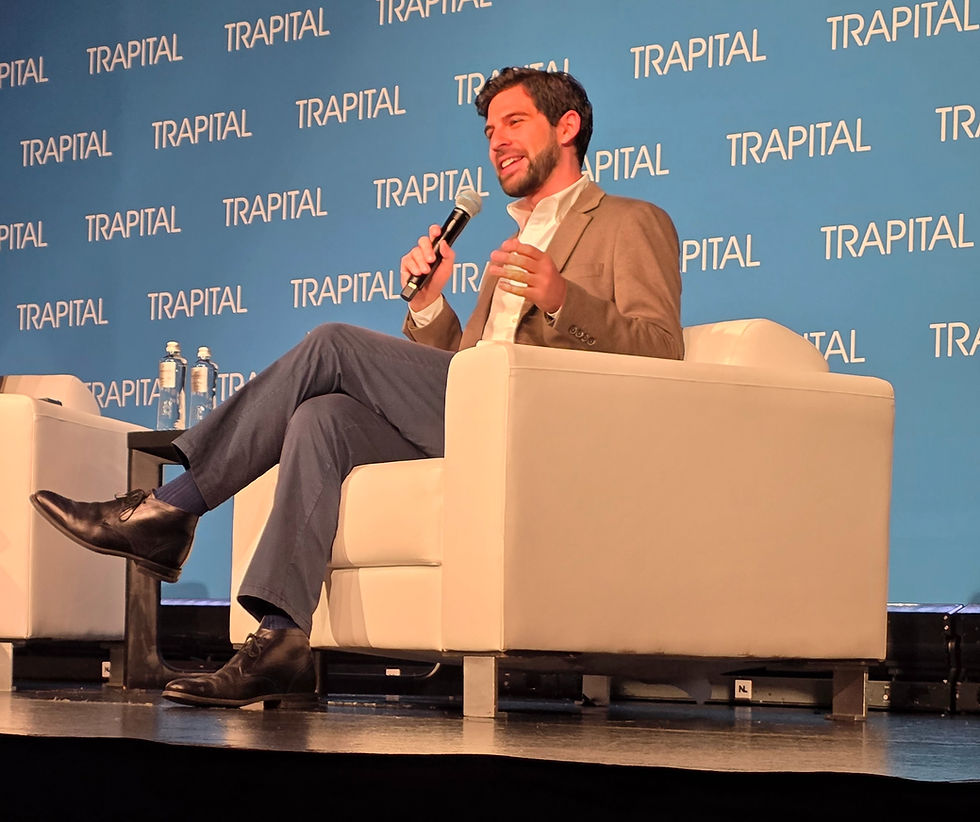
In a moment where artificial intelligence is reshaping the creative boundaries of music, Udio CEO and co founder Andrew Sanchez spoke with care and clarity at the Trapital Summit. His conversation moved between the promise of new tools and the pressure of getting the business and ethics right. The platform has drawn attention for its quality and speed, which has excited some creators and unsettled others. Sanchez did not dodge that reality and framed the work as a cultural responsibility as much as a technical challenge. “I think artists have to be in control,” he said. “It can’t just be ‘look at the cool thing we built.’ We want to partner with the people who make the culture.”
He set the tone by acknowledging the heat around this space. He said he spends a great deal of time thinking about how people respond to rapid technological change. He explained that progress and pushback often collide, and that the useful outcome is found in the tension between them. That is where better models, new products and more durable agreements can emerge. “The intent is not to replace artists. It’s to empower more creativity, more access,” he said. Sanchez made clear that Udio aims to sit in that conversation rather than race past it.
Artist Rights in the Age of AI
Sanchez addressed the legal and licensing debate directly and treated it as a core part of the work. He described the back and forth between technology companies and rights holders as a necessary dialogue rather than a hurdle to skip. “We take this seriously. If we want to exist five, ten years from now, we have to build trust with artists and rights holders,” he said. He emphasized that building a fair system means finding entry points that involve partners across the industry. He also said, “We’re willing to listen. That’s not always the case with tech.”
He framed the present moment as a period to design business models that respect artists and serve users. He said the industry has to land on structures that acknowledge contribution and create new opportunities for collaboration. He returned to the idea that invention without cooperation leads to short term gains and long term distrust. He said the goal is to pioneer the tech side and the business side together. He noted that this process is not always pleasant, but it is the path to durable progress.
He also spoke about trust as a daily practice rather than a slogan. He described spending time with artists and producers in studios and using those sessions to listen. He said those meetings help the team understand what is interesting, what fails, and where the technology surprises people. He said there is value in the rough edges because they can spark ideas. He invited creators to reach out and keep the conversation going. Sanchez called that openness a requirement for this work.
Principles and Differentiation
Sanchez laid out the values that guide the product and the team. He described a collaborative posture as fundamental for a company that touches music culture. He talked about being thoughtful in how features ship and how relationships are built. He said the aim is to expand how people engage with the artifacts of music rather than to replace anything. “The second is joy and fun,” he said.
He also spoke about the spirit that he wants the product to carry. He said the team has a consuming passion for music and wants to bring that feeling to new audiences. He tied that to design choices that make creation accessible without compromising quality. He said the technology should invite people in and reward them for exploring. “We want to set the highest possible bar,” he said. He said that standard is necessary if the company intends to be a partner to great artists and major rights holders.
Quality was the third pillar he highlighted. He said that strong musical output is the foundation on which collaboration can grow. He said the product must earn trust with what comes out of the speakers. He said that bar shapes day to day decisions across the team. He made clear that only by meeting that standard could Udio be seen as credible in a skeptical industry. He stressed that these principles are not negotiable for his team.
Building With Creators, Not Just for Them
Sanchez returned often to the idea of co creation. “It’s not enough to say we love music. You have to show up for the people who make it,” he said. He stressed that there are opportunities to build experiences that did not exist before. He said that these experiences should bring incremental value to work already being made. He said that the goal is to create things that were previously impossible rather than to replace what already exists.
He described how the platform today is used most often by producers and serious creators. He said the outputs are high fidelity and cover a wide range of styles. He expressed interest in widening access for music lovers who are not trained artists. He said the challenge is to build features that bring those fans closer to the artists they love. “This shouldn’t be extractive,” he said. “If we’re building something that helps you get started faster, it needs to be something you own.”
He also spoke about the product’s role in an artist’s process. He said many creators use the tool for ideation and early exploration. He said they start with a spark and then iterate as musicians. He described that loop as a healthy way to integrate new tools into existing workflows. He said the company wants to support that flow rather than dictate it. He said the intent is to help people begin and then get out of the way.
Business Model and Success Metrics
Sanchez discussed models beyond a simple subscription. He said there are transactional use cases that make sense for specific goals. He suggested that a mix of options could better align value with use. He drew inspiration from how the gaming industry designs meaningful interactions for different types of users. He said those lessons can help music tools serve a broader audience.
He also talked about what success looks like over time. He said the aim is to introduce novel creation experiences that leverage artist and fan connections. He said those experiences should drive revenue to artists and rights holders as well as to the platform. He said that clear economic value is part of how this technology earns its place. “If we’re still here, I hope it’s because people believe we showed up the right way,” he said. He said patience is necessary to build trust.
He connected business goals to cultural health. He said the point is not only efficiency but also better stories, better relationships and better access. He said that a fair system will create more art, not less. He said that is how you know you are moving in the right direction. He said the market can teach you, but only if you are listening. He said that listening has to be built into the plan.
Background and Perspective
Sanchez said he did doctoral work focused on how societies respond to high levels of technological change. “History teaches you to ask who is being left out,” he said. He explained that lens helps him think about the moment the industry is in right now. He described the current era as extraordinary in the pace of invention and the scale of impact. He said the role of a builder is to navigate those waters with humility. He said the task is to make things that empower people rather than overwhelm them. He connected that idea to the product choices he supports.
He also described the company as a place filled with music lovers. He said he wants that energy to show up in how the product feels and in how the team works. He said the job is to carry that love into the tools they release. He said that is why the company invests so much in quality. He said great outputs are how you show respect for the culture you serve.
Sanchez closed the session with a note on where music is headed. He said the future rests on more voices and more possibilities. When asked to sum it up, he kept it simple. “Diverse,” he said. The audience understood that one word as a goal and a promise. “Diverse” matched the way he had described the road ahead.


Comments