


Vocal Coach Dear Callie Breaks Down the Art of Emotional Singing on NLN

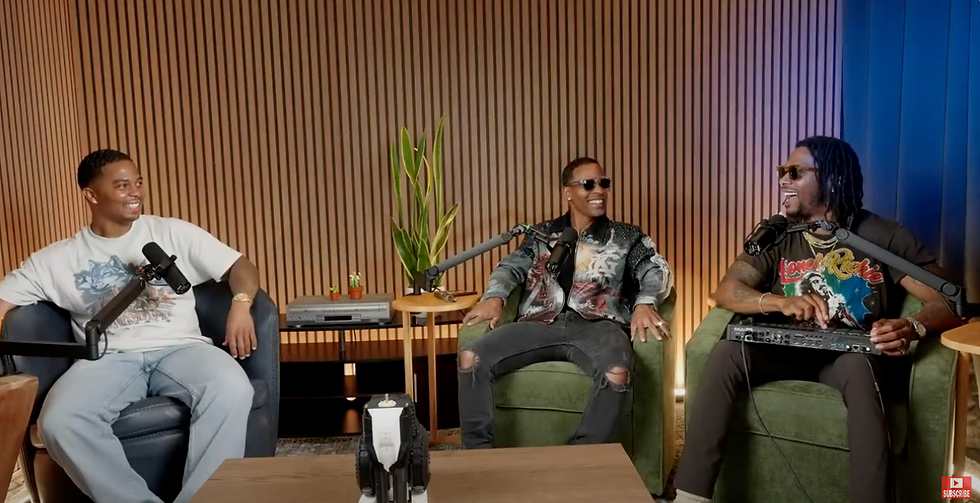
In the latest episode of No Labels Necessary, the conversation leaned into the nuanced, often misunderstood world of singing. The spotlight was on Dear Callie, a singer, songwriter, vocal producer and artist development coach who has quietly become a trusted guide for rising vocalists. Her appearance brought clarity to one of the most underexplored aspects of the craft: emotion.
"You can be the best singer on earth and still record a trash song," Callie said, reflecting on the difference between technical talent and emotional storytelling. Her take is not just theory; it is informed by years of studio work, touring experience and coaching both beginners and professionals. "Singing live is so different from when you're recording. Your performance on the mic in the studio won't be the same. And people miss that."
Callie’s mission is to help artists bridge that gap. Through her brand Singer Lifestyle, she teaches singers to stop relying solely on vocal fireworks and start connecting with listeners on a deeper level. For Callie, the real flex is not hitting five note runs. It is making people feel something.
Emotion Is the Product
Callie has worked with singers across all skill levels, but one lesson stays the same: emotional connection trumps vocal perfection. She pointed to icons like Mary J. Blige to make her point. "Mary J sells pain. And we don't care if it's perfect because pain doesn't feel good. We just feel it," she said. In a business where selling music is selling emotion, Callie believes that artists must lead with vulnerability.
When asked what she looks for in a singer, she emphasized authenticity over power. "It is about knowing the emotion you are selling. Smile when you sing a fun track. Let yourself be quiet when the lyrics are heavy. That emotion will pierce through the recording more than any riff ever could."
Her coaching process is less about scale exercises and more about emotional excavation. "If a student is singing a happy song but doesn’t feel it, I ask them to remember a moment that made them genuinely happy. Maybe it is not love or heartbreak, but the feeling is the same." According to Callie, emotional intelligence is the artist’s most overlooked tool, and it can be developed just like any other skill.
The Riff Is Not the Measure
In the R and B space, where runs and riffs are often seen as a badge of honor, Callie offers a refreshing take. "Riffs and runs are just vocal agility. It is a characteristic, not a requirement," she said. She has noticed that many young singers come to her feeling insecure because they cannot mimic the acrobatics of Brandy or Jasmine Sullivan.
But Callie challenges that mindset, especially in a culture where run culture is king. "I have had students tell me, 'I do not do runs. I am scared of them.' And I am like, you can learn them. Break it down. Sing it slow. Speed it up. It is teachable," she said.
Still, she warns against leaning too hard into technique at the expense of everything else. "A great run that is well placed means more than someone running all over the song," she said. "Your tone, your emotion, your interpretation, those are the things that stick." Her message is clear: just because you cannot riff like Jazmine does not mean you cannot sing. And more importantly, it does not mean you do not belong in the room.
Sound Identity and the Problem with Industry Voices
While coaching artists, Callie has noticed a larger issue that goes beyond individual technique. Many artists today lack a defined sound. "If we cannot tie your sound to you, if every song could have been sung by anyone, that is a problem," she said. And in her view, it is one reason why fewer true stars are emerging.
She does not place all the blame on the artists themselves. "Labels today want artists who are easier to control. That means they are less likely to sign someone with a strong sonic identity like a Whitney or Aretha," she said. Without that distinctiveness, artists become interchangeable, hot for a year, forgotten the next.
For Callie, developing your own lane means more than just tone or genre. "Your brand is who you are. It is what you talk about, how you perform, the sonics you choose, how you dress. It all works together." Even artists with similar voices can stand out if they know how to build a full identity around it. She referenced Britney Spears as an example of engineered uniqueness. "That baby voice tone was not how she naturally sang, but it was a choice to create something that stood out," Callie said.
But she is not advocating for artists to fake it. The goal is to understand your voice and own it. "You do not need to change how you sound. You just need to figure out how to make it yours."
The Studio is a Different Stage
Callie also broke down a major misunderstanding among newer artists: the role of a vocal producer. "Your engineer is there to track. They are not your vocal producer," she said. Too many artists expect engineers to direct takes, give emotional feedback or suggest different delivery styles and then get frustrated when they do not.
According to Callie, a vocal producer is essential, especially for singers. "We are the ones helping you find the right tone, placement and energy. Every song has a different feel, and it is our job to help you find it." Whether it is pulling back the delivery or dialing up the intensity, the vocal producer ensures the performance matches the song’s intent.
She also pushed back on artists who brag about recording tracks quickly. "Recording fast is not a flex. A lot of people’s joints sound like reference tracks because they did not spend enough time in the process," she said. For Callie, the magic often does not show up until the second or third take, sometimes longer. And when budget constraints mean you have only got one hour per track, that magic often gets left on the cutting room floor.
As she continues to teach and mentor, Callie is focused on spreading what she calls "the game" the knowledge too many artists never get. "I do not want to be the OG that says these youngins do not know nothing when we never taught them," she said. Her goal is to give singers the tools to own their sound, their emotion and their space in the industry.
For aspiring vocalists, her message is clear: talent is a starting point. What separates the great from the good is intention. And if you want to last, you need more than riffs. You need soul.


Comments