


Terrace Martin and Elmo with Some Tips for Young Musicians on How to Keep Their Gig

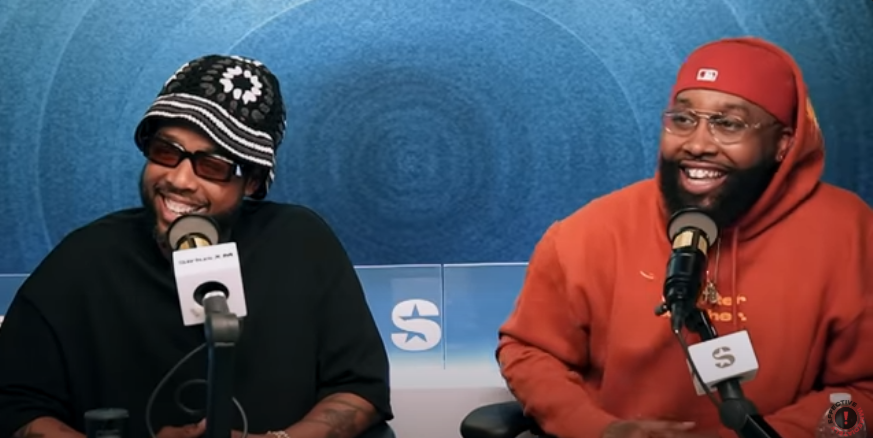
Terrace Martin’s name rings out for good reason. With roots in jazz, deep ties to West Coast hip-hop, and a résumé that spans from Kendrick Lamar to Herbie Hancock, the producer, saxophonist and multi-instrumentalist has built a career that’s not just impressive, but principled. On the Go with Elmo podcast, Martin opened up in a rare and honest conversation about what it means to stay grounded, the importance of collaboration, and how young musicians can shape a future that honors both the past and the present. His reflections weren’t just nostalgic anecdotes or surface-level advice. They were blueprints grounded in experience and delivered with care, sincerity and a strong sense of duty to the culture that raised him.
Early in the conversation, Martin made it clear that for him, mentorship and knowledge-sharing are non-negotiables. “That’s our job as OGs,” he said. “We supposed to share, and not just share the wins, but the losses too.” He spoke with conviction about the gaps between generations in music and how transparency, especially about mistakes, is one of the most important ways to bridge those gaps. For Martin, giving game is not about nostalgia, but about survival. He stressed that artists today are navigating a completely different world, where algorithms and follower counts can cloud a musician’s real purpose. He believes the responsibility lies with older artists to make sure that cultural values and creative integrity don't get lost in the noise.
The Power of Curiosity and the Beauty of Practice
Throughout the interview, Martin repeatedly returned to one key theme: curiosity. He talked about the importance of always being a student, no matter how long you’ve been in the game. “The smartest person in the room is the one asking questions,” he said. “I don’t care how many Grammys you got, how many plaques you got, if you stop learning, you stop living.” His words echoed a mindset that embraces humility and reinvention, a mindset that has clearly played a major role in his ability to move between genres, generations and styles with grace.
Martin also broke down how essential it is for musicians to keep practicing their instruments. In an era where software can do a lot of the heavy lifting, he stressed the value of hands-on musicianship. “Play your instrument. Touch it every day. Talk to it. Respect it,” he said. For him, that relationship is sacred, a discipline that’s about more than just sound. “Your horn don’t lie to you,” he added. “It tells you where you really are.” He believes the physical act of playing keeps musicians honest and connected to their truth in ways digital shortcuts simply can’t replicate.
He spoke on how this connection to craft becomes even more vital the further one progresses in their career. “You could be in this thing twenty years and still discover something new on the horn,” he said. “But only if you show up every day.” He encouraged young players not to fall for the illusion that gear or plugins can replace passion, patience and persistence. “That horn will expose you,” he laughed. “But that’s a blessing. It helps you grow.”
Why Collaboration Still Matters
When the conversation shifted to the industry, Martin emphasized that collaboration is still king. He described how some of his greatest moments came from being open in the studio, whether with longtime peers like Robert Glasper or new-school talents. “My job is to listen. It ain’t to overplay. It ain’t to impress. It’s to listen and make something honest,” he said. That approach, he said, comes from jazz, where conversation—not competition—is at the heart of the music.
He also challenged the hyper-individualism that dominates a lot of today’s creative spaces. “You see all these producers saying they did it all themselves,” he said. “That’s cool for Instagram. But the real magic happens when you bring folks together.” For Martin, the idea of the lone genius is both unrealistic and limiting. He believes collaboration expands creativity and creates room for vulnerability, trust and ultimately better records.
For Martin, the studio is a sacred space for exchange. He lit up when describing sessions with Herbie Hancock, who he considers a teacher and spiritual guide. “Herbie taught me how to let go and flow. That’s deeper than just music. That’s life,” he said. In those moments, the process becomes bigger than the product. It's about presence, energy and trust between artists, and that, Martin says, is where the soul of the music lives.
The Discipline Behind the Craft
Martin’s love for craft comes with a deep sense of discipline. He wakes up at 6 a.m. most days, starts his day with prayer and gratitude, and heads into his studio with intention. That structure, he says, is what allows him to stay inspired without burning out. “You can’t wait on inspiration,” he said. “Inspiration comes when you show up.” His approach to routine is spiritual as much as it is professional. It’s about respecting the gift and showing up for the muse.
He also spoke about putting ego aside and being willing to be uncomfortable. “If you always the best in the room, then you in the wrong room,” he said. For Martin, challenge is necessary. It’s what separates those who want fame from those who want a lifelong relationship with their art. He encouraged artists to seek out environments where they feel a little unsure, where the stakes are high enough to push growth
.
He shared stories of being humbled in sessions with legends. “There were times I played a solo and thought I killed it, and Herbie would just look at me and say, ‘Cool. Now play it again. But this time, listen.’ That’s a gut check,” Martin said. But those checks, he said, are what make the journey worthwhile. “Those are the moments that shape you,” he added. “You learn how to really listen, not just to the music, but to yourself and the people around you.”
Black Music, Ownership and the Long Game
Martin also unpacked the challenges and opportunities Black musicians face in the current industry. He’s vocal about ownership and making sure artists understand the business side of music. “They’ll let you rent the culture, but they don’t want you to own it,” he said. “So we gotta teach each other how to own our masters, own our gear, own our time.” He emphasized that too many young Black artists are handed deals that sound good upfront but leave them powerless in the long run.
For Martin, ownership is about more than contracts. It’s about protecting the soul of the music. He sees Black music as a spiritual inheritance that should be cared for with reverence. “This ain’t just music, this is bloodline,” he said. “We standing on Marvin, on Coltrane, on ‘Pac, on Aretha. You don’t play with that.” He called for more spaces where Black creatives can educate each other about royalties, publishing and financial literacy as tools of liberation.
He also had advice for young musicians eager to get on quickly: slow down. “Microwave success don’t last,” he said. “Take your time. Learn the history. Learn the people. Learn the feeling.” In his view, understanding where the music comes from is just as important as what it sounds like. “You can’t skip the story,” he said. “And if you do, your music gon’ feel empty.”
The Elmo Effect and Making Music Fun Again
One of the most endearing moments of the podcast came when Martin gave props to Elmo’s presence in the culture. “You made music fun again,” he told the host. “You remind folks to smile. We need that.” He explained that the seriousness of the industry can weigh artists down and that the joy Elmo brings reminds him that music should still feel good.
The conversation had its share of laughs, with Martin riffing on what it would be like to cut a jazz album with Elmo on vocals. But even in the jokes, there was sincerity. “Music should have joy in it,” Martin said. “If it don’t feel good, what’s the point?” He believes joy is not a distraction from greatness, but part of it. “You can have depth and still smile. You can be brilliant and be silly too,” he added.
He spoke on how burnout is real in creative spaces and that lightheartedness can be healing. “Sometimes a silly voice or a laugh can reset your whole spirit,” he said. “We forget that music is also medicine.” Martin encouraged musicians to embrace play as part of their process. “Don’t be afraid to have fun in the studio,” he said. “Fun brings freedom.”
Final Words for the Next Generation
As the episode closed, Martin circled back to where he began: community. He encouraged artists to stay generous with their knowledge and build bridges instead of chasing clicks. “You don’t gotta be viral to be valuable,” he said. His message was simple but resonant: let your work speak and let your consistency be your calling card.
He also urged the next generation to resist cynicism and stay grounded in love. “This world will try to make you cold,” he said. “But don’t let it. Keep your heart in the music. Keep your spirit in the room.” He explained that staying soft in a hard world is a form of power. “You can be real and still be kind,” he said. “That’s leadership too.”


Comments